

Travel is more than just moving from one place to another; it introduces individuals to new environments, cultures, and ways of life. This exposure creates opportunities for reflection and learning that extend beyond routine experiences. When individuals step outside familiar surroundings, they encounter situations that challenge assumptions and broaden understanding. The act of navigating unfamiliar places encourages awareness of differences in language, customs, and social norms. This process supports a deeper engagement with the world, shaping how individuals interpret their surroundings and their place within them.
Exposure to Diverse Cultures and Perspectives
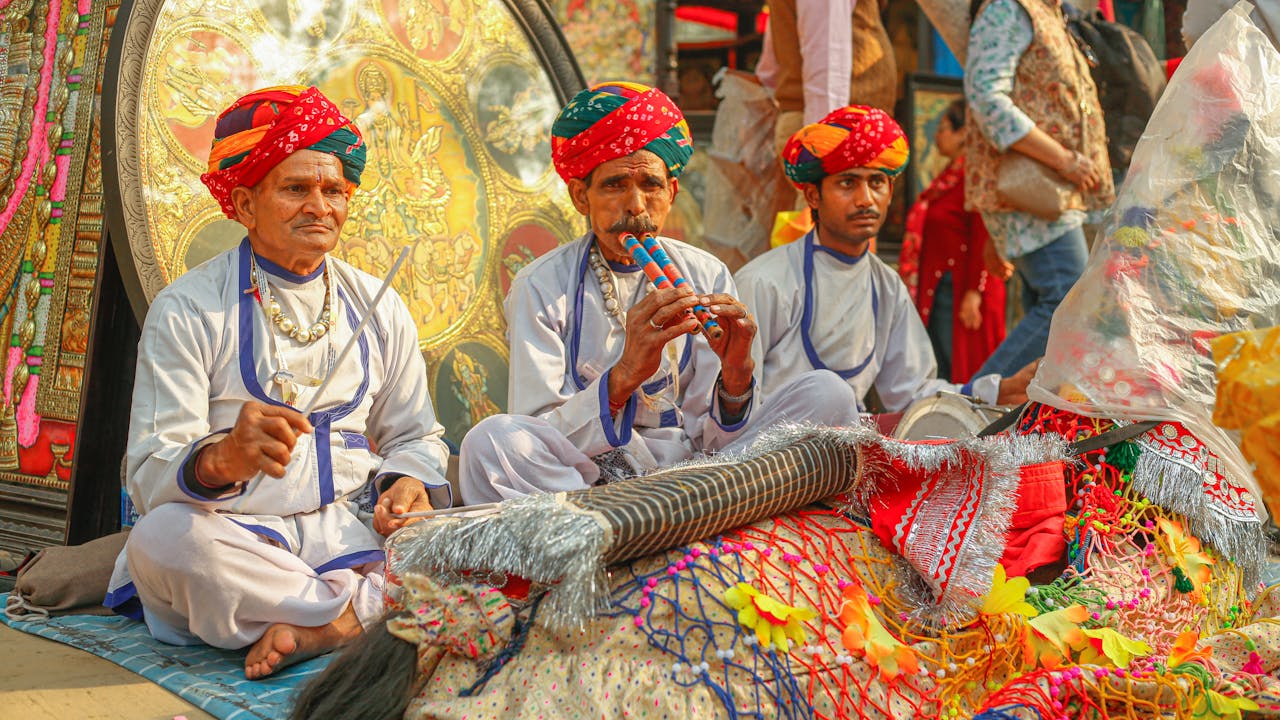 One of the most significant aspects of travel is exposure to cultural diversity. Different regions present unique traditions, values, and social structures that influence daily life. Observing and interacting with these differences encourages individuals to reconsider their own perspectives. This exposure fosters a more nuanced understanding of how people live and think across various contexts. The experience of engaging with diverse cultures contributes to a broader worldview, where perspectives are shaped by direct observation rather than limited familiarity.
Developing Adaptability and Problem-Solving Skills
Travel often involves navigating unfamiliar systems, from transportation networks to communication barriers. These situations require adaptability and the ability to respond to unexpected challenges. Individuals learn to adjust their plans, interpret new information, and make real-time decisions. This process strengthens problem-solving skills by encouraging flexible thinking and resourcefulness. The need to adapt in changing environments supports personal development, as individuals become more capable of managing uncertainty and responding effectively to new situations.
Enhancing Self-Awareness Through New Experiences

Experiences gained during travel provide opportunities for self-reflection and increased self-awareness. Being in a different environment allows individuals to observe their own reactions and preferences in unfamiliar contexts. This awareness helps clarify personal values, interests, and responses to change. The contrast between familiar and new environments highlights aspects of identity that may not be as visible in routine settings. Through this process, travel contributes to a deeper understanding of oneself and how one interacts with the world.
Shifting Perspectives on Everyday Life
Travel influences how individuals view their daily lives by providing a point of comparison. Exposure to different lifestyles and conditions encourages reflection on personal routines and assumptions. This shift in perspective can lead to a greater appreciation of certain aspects of life or a reevaluation of priorities. The experience of seeing alternative ways of living expands the context in which individuals interpret their own circumstances. This broader perspective supports a more balanced and informed view of everyday experiences.
Travel experiences shape personal growth and perspective by introducing individuals to diverse cultures, new challenges, and opportunities for self-reflection. Through exposure, adaptability, and increased awareness, travel contributes to a broader understanding of both the world and oneself. These experiences shape how individuals interpret their surroundings and make decisions, shaping personal development. The impact of travel highlights its role as a meaningful process that extends beyond exploration into deeper transformation.

Comments are closed, but trackbacks and pingbacks are open.